The hot water hits your scalp and, almost on autopilot, your hand reaches for the shampoo. Two pumps, quick lather, rinse, repeat “because it’s oily again.” You glance at the drain and notice more hair strands than yesterday. You tell yourself it’s stress, the weather, hormones, anything but your routine. You’ve always washed your hair like this. Your mother did it. Your friends do it. Social media seems to show freshly washed hair… every single day.
Yet your hair feels strangely tired. Drier at the ends, greasy at the roots, itchy in the middle. The more you wash, the faster it gets dirty. The more products you buy, the less your scalp seems to cooperate.
One dermatologist says that’s no coincidence.
We’re shampooing our scalps into crisis
Ask any dermatologist right now and you’ll see the same tiny wince when you mention daily shampoo. They’re seeing more patients with irritated scalps, chronic itch, and hair that looks “tired” years before it should. Not from bleach or wild colors, but from the most basic habit of all: washing way too often.
We grew up with the idea that clean hair equals good hygiene. But a clean scalp is not the same as a stripped scalp. That subtle difference is where a lot of our hair problems quietly begin.
One dermatologist I spoke with described the same scene over and over. A patient sits down, worried about thinning hair at the temples and stubborn dandruff. She asks about vitamins, expensive serums, hair loss shampoos. Then the doctor asks a simple question: “How often do you shampoo?” The answer is almost always delivered proudly: “Every day, of course.”
These are people who don’t smoke, eat relatively well, buy the “right” products. Still, their scalps are red on the microscope, their follicles inflamed, their natural oils totally out of balance. Their “good habit” has quietly turned into daily damage.
The logic is brutal and simple. Shampoo is a detergent: its job is to dissolve oil. When you wash too often, you’re not just removing dirt, you’re wiping out the protective layer your scalp builds to shield itself. Your skin reacts like any skin under assault: it tries to defend itself.
That means more sebum production, more sensitivity, and sometimes more flaking. You think, “My hair is greasy, I need to wash more.” Your scalp thinks, “You’re stripping me, I need to produce more oil.” The result is a loop that feels like hygiene… and behaves like self-sabotage.
How often should you really wash your hair?
Dermatologists don’t give a single magic number, but a clear range does come up again and again: **two to three shampoos per week** for most people with average scalps and products. Curly or coily hair often does better with even fewer washes. Very fine, oily hair might tolerate four. Every day, though, is what many specialists now call “a recipe for imbalance” unless you have a genuine medical reason.
➡️ People who find love easily share these 2 key traits
➡️ This tiny conversational habit can quietly improve relationships
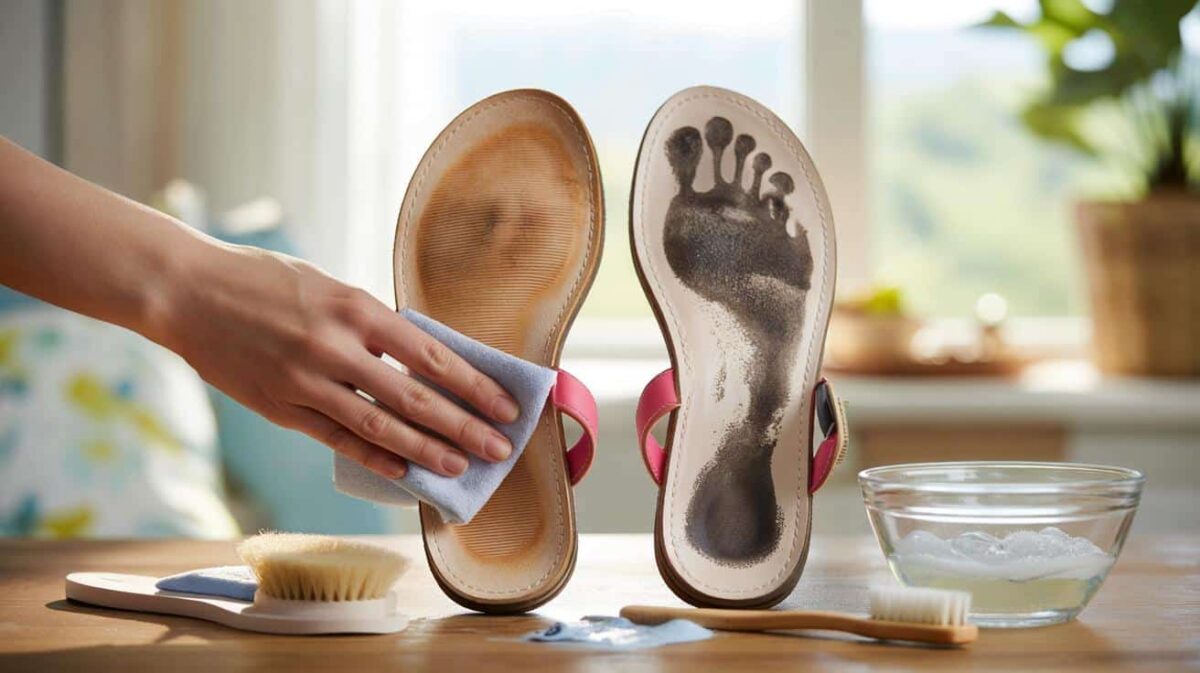
➡️ Goodbye footprint marks on your sandals: the trick to erase them and make them look new again
➡️ A surprisingly effective way to stop forgetting what you were about to do
The practical method they suggest is almost boring in its simplicity. Start by spacing out your washes by one day. If you wash every day, go to every other day for two weeks. Then, if your scalp doesn’t rebel, stretch to two days between washes. Give your skin a chance to remember how to regulate itself.
We’ve all been there, that moment when you swear your hair looks like a frying pan on day two. One patient, a 32-year-old office worker, kept dry shampoo in her desk, her car, even her gym bag. She was convinced her “naturally greasy hair” required daily washing and constant touching up. The dermatologist persuaded her to try a four-week reset: gentle shampoo three times a week, no more.
The first week was rough. She hid her roots in messy buns and claw clips. By week three, something surprising happened. Her scalp stopped itching. The oiliness on day two looked less like a crisis and more like a soft, lived-in shine. Her hair held a blowout longer, and she noticed fewer strands on her brush. Same genetics, same job, same hormones. Only one thing changed: frequency.
Why does this spacing work so often? Because your scalp is not a tile floor, it’s living tissue with its own ecosystem. On its surface live bacteria and yeast that help protect you, plus sebaceous glands that produce sebum, a natural conditioner and shield. When you over-wash, you’re not just cleaning; you’re disturbing that entire micro-world.
Once you step back, the system stabilizes. Sebum production can slow down. The skin’s barrier repairs itself. Flakes tied to irritation often decrease, and hair shafts benefit from that thin, protective coating nature actually intended them to have. *Healthy hair is rarely squeaky; it’s quietly balanced.*
The dermatologist-approved way to wash less… without feeling gross
The trick isn’t to stop washing, it’s to wash smarter. Dermatologists talk about a simple routine: lukewarm water, a small amount of gentle shampoo, and short contact time. Wet your hair thoroughly, apply shampoo only to the scalp, then massage with just your fingertips, not your nails. Think of it like washing your face: small circles, light pressure, no frantic scrubbing.
Rinse well, then let the foam slide down the lengths instead of piling on more product there. Conditioner goes mainly from mid-lengths to ends, never pressed into the scalp like a mask. One or two minutes, then a careful rinse. That’s it. No ten-minute scalding shower, no three different shampoos layered on top of each other.
The biggest mistake, dermatologists say, is panic-washing. You see a bit of shine at the roots, feel a touch of itch, and jump straight into an aggressive scrub. Another common trap: “clarifying” shampoos used as a daily staple instead of an occasional reset. These products are strong by design, great for product buildup, rough on a delicate scalp when overused.
Be gentle with yourself in this transition. Your hair might look different on day two or three than the glassy, blow-dried ideal we’ve been sold. That doesn’t mean it’s dirty. It means it’s human. Let’s be honest: nobody really does this every single day exactly like the perfect tutorials. Off-camera, people tie their hair back, use a silk scrunchie, wear a cap, and yes, stretch washes when they’re tired.
“Your scalp is skin,” explains one dermatologist. “You would never scrub your face with dish soap every day and call it self-care. Yet that’s exactly how many of us treat our heads. When patients reduce shampooing, they’re often shocked that their ‘greasy hair problem’ quietly fades.”
- Use a **gentle, sulfate-free shampoo** on most wash days, keep strong cleansers for once-a-month resets.
- Rely on styling tricks between washes: loose braids, low buns, headbands, and strategic dry shampoo on the roots only.
- Avoid scalding hot water; warm or slightly cool water calms the scalp and reduces irritation.
- Limit heavy oils on the scalp itself; save richer treatments for the lengths and ends.
- Watch your scalp like you’d watch your face: redness, burning, and constant flaking are signals, not inconveniences.
Your “clean” hair habit might be the thing to unlearn
Once you start looking around, you notice how much our idea of clean hair is shaped by advertising, not biology. Shiny, freshly washed strands in every shampoo commercial. Influencers posting “wash day” routines that casually cost more than a weekend trip. Almost nobody showing day-three hair tied in a claw clip on the school run, yet that’s the real life of most scalps.
Dermatologists aren’t asking us to become “no-poo” extremists or stop enjoying the small luxury of a good hair wash. They’re asking us to question a reflex that fails so many of their patients. Wash when your scalp needs it, not when your calendar says you’re “due.” Watch the signs: comfort, softness, reduced breakage, fewer angry flakes. That’s your new schedule.
You might find that spacing washes brings small side effects you didn’t expect: less time in the bathroom, less money poured into foaming bottles, less anxiety about every stray hair in the drain. And maybe, quietly, a new kind of trust in your own body’s rhythm. The next time your hand automatically reaches for the shampoo, you might just pause and ask: is my hair actually dirty… or just different from the filtered version I’ve been taught to expect?
| Key point | Detail | Value for the reader |
|---|---|---|
| Optimal wash frequency | Most scalps do best with 2–3 shampoos per week, not daily washes | Reduces irritation, breakage, and excess oil production |
| Gentle wash method | Lukewarm water, scalp-focused shampoo, light massage, conditioner on lengths only | Protects the scalp barrier while keeping hair clean and manageable |
| Scalp as skin | Treating the scalp like facial skin, not a dirty surface, changes product choices and habits | Helps the reader rethink “clean” and build a more sustainable routine |
FAQ:
- How often should I really wash my hair if it gets greasy fast?Start with every other day for two weeks, then try spacing to two days between washes. Give your scalp at least 3–4 weeks to adapt before deciding it “doesn’t work.”
- Is daily washing always bad?Not always. If you exercise intensely, live in a very polluted city, or have a specific scalp condition, a dermatologist might approve gentle daily washes, but with a very mild shampoo and short contact time.
- Can over-washing really cause hair loss?It doesn’t usually cause true baldness, but it can trigger inflammation, breakage, and shedding that make your hair look and feel thinner than it is.
- What can I do on non-wash days to feel fresh?Use a small amount of dry shampoo on the roots, brush with a soft bristle brush, try a loose updo, or rinse with water only without shampoo if you’ve been very sweaty.
- How do I know if my shampoo is too harsh?If your scalp stings, feels tight after washing, flakes more, or your hair feels squeaky and rough, your cleanser is probably stripping too much and needs to be swapped for something gentler.